Torch on waterproofing is the most common way to waterproof a flat concrete roof in South Africa. It is tough, it handles the Cape Town sun and rain well, and it can be patched when needed. This guide explains how it works, how it is installed and what to check if your flat roof is leaking.
Our team does flat roof waterproofing on homes, extensions and commercial buildings across Cape Town. Below we share what we look at on every job, in plain language.
What Is Torch On Waterproofing?
Torch-on is a roll of bitumen membrane, usually about 3 to 4 mm thick. Inside the roll is a reinforcing layer, often polyester, that gives it strength.
The roofer heats the underside of the roll with a gas torch. The bitumen melts and bonds to the primed roof. Each roll overlaps the next, and the overlaps are melted together to form one sealed sheet.
Once it is down, the membrane is usually coated with a silver reflective paint. Some rolls come with a mineral chip finish on top instead.
Where Torch On Waterproofing Works Best
Torch-on suits flat and low slope roofs where water can sit for a while. These are the places we use it most.
Flat concrete roofs
The classic use. Concrete slabs on homes, flats and offices.
House extensions
New rooms with a concrete slab roof need waterproofing before the first winter.
Garage and carport roofs
Flat garage slabs are often forgotten until the ceiling starts to stain.
Parapet walls
The tops and inside faces of parapets, where water often gets in.
Box gutters
Concrete gutters and channels that carry a lot of water.
Commercial roofs
Large flat roofs on shops, offices and small factories.
How Torch On Waterproofing Is Installed
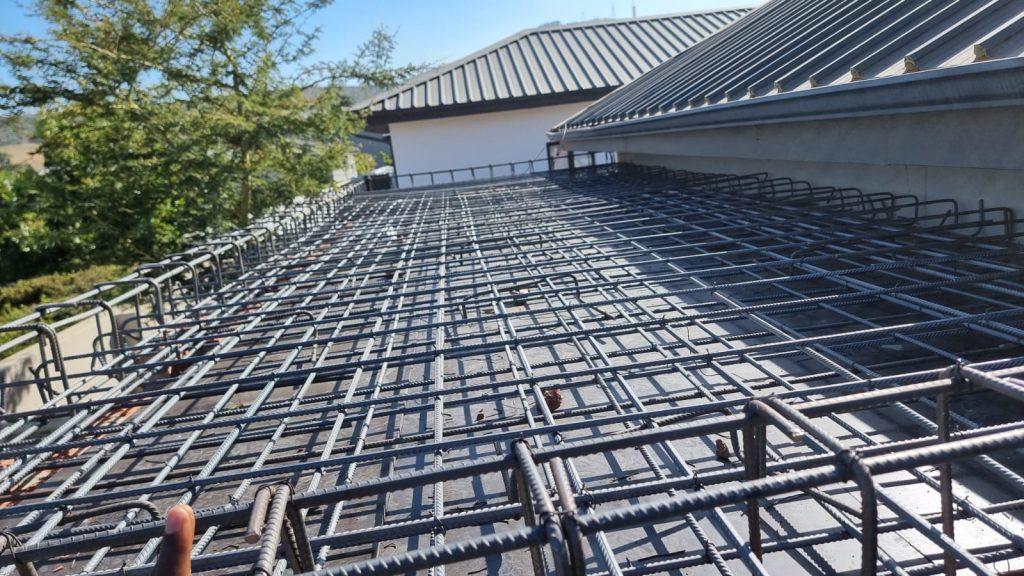
Good torch-on is mostly about preparation. The membrane can only be as good as the surface under it. This is the order we follow.
- 1Inspect the roof
Check for ponding, cracks, old layers, outlets and anything that pokes through the roof, like pipes and brackets. - 2Strip and clean
Remove loose or blistered old layers, dirt and moss. Sweep the roof clean. - 3Fix the falls and cracks
Repair cracks and add screed where water pools, so it runs to the outlets. - 4Prime the surface
Apply bitumen primer and let it dry fully. Primer helps the membrane bond to the concrete. - 5Lay the rolls
Start at the lowest point and work up, so each overlap sheds water. Melt each overlap closed. - 6Turn up the walls
Run the membrane up parapets and walls and seal the top edge with a flashing or a chased-in joint. - 7Detail the outlets and pipes
Seal around every outlet, pipe and bracket. These are the spots most likely to leak. - 8Coat and check
Apply the reflective coating, then check every lap and edge.
We inspect your roof, find the problem and quote the right fix. Free quotes across Cape Town.
Get a free quoteCall 076 272 8280Torch On Waterproofing vs Other Flat Roof Options
Torch-on is not the only way to waterproof a flat roof. Here is how it compares with the other common options.
| System | How it works | Good for | Watch out for |
|---|---|---|---|
| Torch-on membrane | Bitumen rolls melted onto the roof | Concrete flat roofs, parapets, box gutters | Needs a dry roof and trained installers |
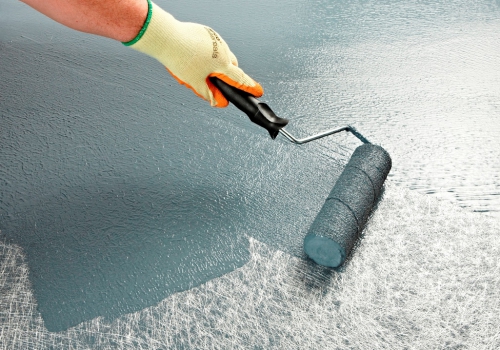
| Liquid membrane | Brush-on coats with a fibre or mesh layer | Small roofs, tricky shapes, repairs | Must be thick enough and recoated |
| Cold-applied bitumen | Bitumen coats without heat | Areas where flame is a risk | Usually not as tough as torch-on |
On pitched roofs with tiles or sheets, sealing and roof painting usually make more sense than torch-on. Our roof waterproofing covers both flat and pitched roofs.
Common Mistakes That Make Flat Roofs Fail
Many flat roofs do not fail because of the material. They fail because a step was skipped. Watch out for these mistakes when you compare quotes.
- Laying over a wet roof. Trapped moisture turns into steam in the sun and lifts the membrane in blisters.
- No primer. Without primer the bitumen does not bond well to dusty concrete.
- Ignoring ponding. New torch-on over a roof that holds water will wear out early in the low spots.
- Short upstands. If the membrane stops at floor level instead of running up the wall, water gets in behind it.
- Skipping the coating. Bare bitumen in the Cape Town sun dries out and cracks much sooner.
Good torch on waterproofing takes a little longer to prepare, but it saves you from paying twice.
Why Flat Roofs Leak in Cape Town
Flat roofs have a hard life here. Winter cold fronts bring days of rain, and summer sun bakes the surface. These are the most common flat roof problems, with or without torch on waterproofing.
- Ponding water. Water that sits on the roof finds every weak spot.
- Sun damage. When the reflective coat wears off, the bitumen dries out and cracks.
- Weak edges. Upstands and flashings at walls lift or crack first.
- Blocked outlets. Leaves and dirt block outlets, so the roof fills up like a pond.
- Wind. Strong wind can lift loose edges and laps.
If water has already stained your ceiling, read our guide to roof leak repair for what to do first.
Signs Your Torch On Waterproofing Needs Attention
Check your flat roof once a year, and after big storms. Look for these signs.
- Bubbles or blisters in the membrane.
- Splits, cracks or open overlaps.
- Black bitumen showing where the silver coat has worn away.
- Puddles that stay on the roof for days after rain.
- Damp stains on the ceiling or walls below.
Small problems can often be patched. If many areas are failing, it is usually better to redo the roof than to keep patching.
What Affects the Cost of Flat Roof Waterproofing
Every roof is quoted on its own. These are the main things that change the price of torch on waterproofing.
- The size of the roof in square metres.
- Whether old layers must be stripped first.
- How much screed is needed to fix ponding.
- The number of outlets, pipes and walls to detail.
- Access, height and how materials get onto the roof.
- The finish, such as a silver coat or a mineral chip roll.
Building a new room with a slab roof? Our house extensions can include the waterproofing from the start.
Keep Your Torch-On Roof Working Longer
A little care keeps torch on waterproofing in good shape for years. Add these jobs to your home calendar.
- Clear outlets and gutters before winter.
- Recoat the reflective paint every few years, before black bitumen shows.
- Keep foot traffic and heavy items off the roof.
- Ask installers of solar panels or aerials to seal every bracket they fix.
- Book a check after any big storm.
Our roofing team works across Cape Town and the Western Cape. Mon to Fri 08:00 to 17:00, Sat 08:00 to 15:00.
Get a free quoteCall 076 272 8280Looking for roofing contractors in Cape Town for a flat roof? Send us a few photos and get a free quote. We also do general roof repairs on tiled and sheet roofs.