An electrical compliance certificate, often called an electrical COC, is a legal document that says the wiring in a property is safe and meets the national wiring standard. In South Africa you need one when you sell a property, and after most new electrical work.
Many sellers only find out about it when the estate agent asks. This guide explains when you need it, what the electrician checks and how to pass the first time.
What is an electrical compliance certificate?
The certificate is required under the Electrical Installation Regulations, which fall under the Occupational Health and Safety Act. It confirms that the fixed electrical installation was tested and found safe. A test report is attached to it.
Only a registered person working for a registered electrical contractor may issue it. These electricians are registered with the Department of Employment and Labour. So always ask for the registration number before the inspection.
When you need an electrical compliance certificate
Most people meet the COC certificate when they sell a home. But there are other times it matters too.
Selling a property
On transfer, the electrical compliance certificate should not be older than two years. The sale agreement usually makes it the seller’s job.
New electrical work
New circuits, a new distribution board, rewiring or extra plugs need a certificate for that work.
Renovations and extensions
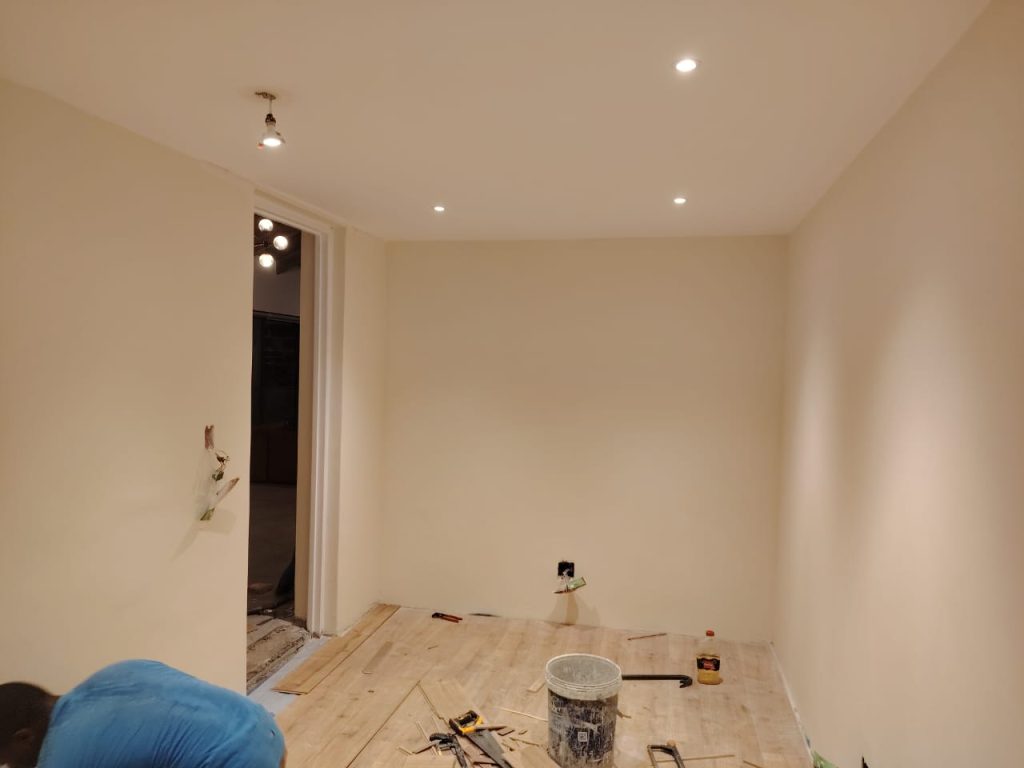
Any new rooms or kitchens with new wiring must be certified. Plan this in your renovation budget.
Solar and inverters
Inverters, batteries and solar panels wired into the house must be on the certificate. The City of Cape Town also has its own approval rules for these systems.
Insurance claims
After a fire or electrical damage, your insurer may ask for a valid electrical compliance certificate.
Buying a property
If you buy, ask to see the certificate and test report. Check that the date and address are right.
If you are planning home renovations with new plugs or lighting, budget for the electrical compliance certificate from day one. It is much easier to get it done while walls are still open.
What the electrical compliance certificate inspection checks
The inspection covers the fixed installation. That runs from the distribution board, through the wiring, to every plug, switch, light and fixed appliance connection. These are the main items on the list.
| Area | What is checked |
|---|---|
| Distribution board | A main switch, correct breaker sizes, a working earth leakage unit, a proper cover and labels for each circuit. |
| Earth leakage | The unit must trip quickly when tested. It protects people from electric shock. |
| Earthing and bonding | Earth wires on plugs and lights, and bonding of the geyser, metal pipes and other metal parts. |
| Plugs and switches | Secure, not cracked or burnt, with correct wiring and covers in place. |
| Wiring | Right cable sizes, no exposed joints, no loose cables in the roof and no old perished cable. |
| Outdoor points | Plugs and lights outside must be weatherproof and protected. |
| Fixed appliances | Stove, geyser and pool pump connections must be safe, earthed and on suitable circuits. |
Common reasons homes fail the electrical COC
Older Cape Town homes often fail for the same reasons. Most are simple to fix once you know about them.
- Earth leakage not working. It is missing, faulty or does not trip in time.
- No earth on the geyser. The geyser and its pipes must be bonded. If your geyser was replaced, check this. Our guide on a burst geyser explains more about geyser work.
- DIY or old additions. Garden lights, outside plugs or extra points added without proper cable or protection.
- Damaged plugs and switches. Cracked covers, scorch marks or loose fittings, often after load-shedding surges.
- Extension leads used as wiring. Leads run through walls or ceilings as a permanent fix.
- Distribution board problems. No cover, missing labels or breakers that are too big for the cable.
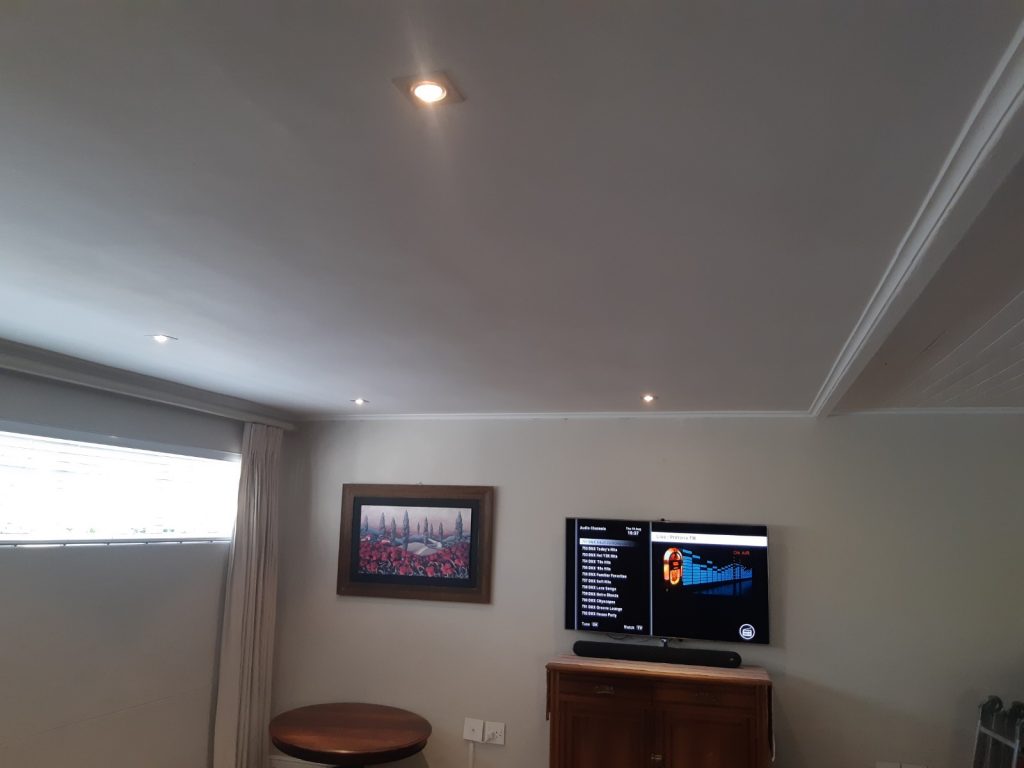
- Light fittings. Metal fittings without an earth, or loose wiring above the ceiling.
Send us the electrician’s fault list. Our team can fix the faults so your house is ready for the retest.
Get a free quoteCall 076 272 8280How to pass the electrical compliance certificate inspection
You can save time and a second call-out by preparing well. Follow these steps a few weeks before you list your home, not a few days before transfer.
- 1Book early
Ask for the inspection as soon as you decide to sell. If faults are found, you have time to fix them. - 2Check the registration
Before the electrical compliance certificate test, ask the electrician for their registration number and the name of the registered contractor they work for. - 3Find old paperwork
Look for any previous certificates, especially for solar, inverters or a geyser change. - 4Do a quick walk-around
Look for cracked plugs, missing covers, loose fittings and outside points that are open to rain. - 5Give full access
Make sure the electrician can reach the distribution board, roof space, geyser and outside points. - 6Fix faults and retest
Get the listed faults repaired, then book the retest. Keep the final certificate and test report safe.
Our team handles electrical services such as plug repairs, lighting repairs, element replacement and surge protection. If the inspection finds faults like these, we can fix them. The registered contractor then retests and issues the electrical compliance certificate.
Other certificates you may need when selling in Cape Town
The electrical COC is not the only certificate on a sale. Your conveyancer will tell you which apply to your property.
- Plumbing certificate. The City of Cape Town requires a certificate for the water installation on transfer, issued by a registered plumber.
- Electric fence certificate. Needed on transfer if the property has an electric fence.
- Gas certificate. Needed if there is a fixed gas installation, such as a gas hob or gas geyser.
- Beetle certificate. Common in Western Cape sale agreements, to check roof timbers for wood beetle.
If the plumbing inspection finds problems, our plumbing services team can repair leaks, taps and toilets before the retest.
Mistakes to avoid
- Leaving the electrical compliance certificate until the week before transfer.
- Using someone who is not registered. The certificate will not be valid.
- Assuming an old certificate is fine after you added solar, a new geyser or extra plugs.
- Hiding faults, such as covering a burnt plug. The buyer can still have a claim later.
- Not keeping copies. Keep the certificate and test report with your house papers.
If you want faults fixed before your inspection, you can get a free quote from our team. We work across Cape Town and the Western Cape.
Electrical compliance certificate FAQs
How long is an electrical compliance certificate valid?
Who can issue an electrical COC?
Who pays for the COC certificate when I sell my house?
What happens if my house fails the inspection?
Does the electrical COC cover my electric fence and appliances?
Our team repairs plugs, lights and other electrical faults across Cape Town. Send us your fault list for a free quote.
Get a free quoteCall 076 272 8280