Water leak detection is how you find water that escapes from pipes you cannot see. A hidden leak wastes water, pushes up your bill and slowly damages walls, floors and ceilings. This guide shows you the signs, a simple test you can do today, and when to call a plumber.
Most hidden leaks start small, like a toilet that runs a little or a pipe joint that weeps inside a wall. Early water leak detection keeps the repair quick. Leave a leak and you pay for water, then for tiles, plaster and paint.
Why water leak detection matters in Cape Town homes
Water in Cape Town is not cheap, and the tariff goes up in steps as you use more. Many homes are also older, with galvanised steel or copper pipes that are now decades old. Old pipes rust, joints work loose, and pressure surges from the mains can open up weak spots.
Some suburbs have clay soils that swell in winter and shrink in summer. That movement can crack a pipe under a slab or along a wall. A leak there stays hidden for months because the water soaks into the ground.
Signs of a hidden water leak
You do not need special tools to spot most leaks. Water leak detection starts with your eyes and ears, so look and listen for these signs.
Higher water bill
Your usage jumps but your habits did not change. This is the most common first clue.
Meter keeps turning
The small dial on the meter moves when every tap in the house is closed.
Damp patches
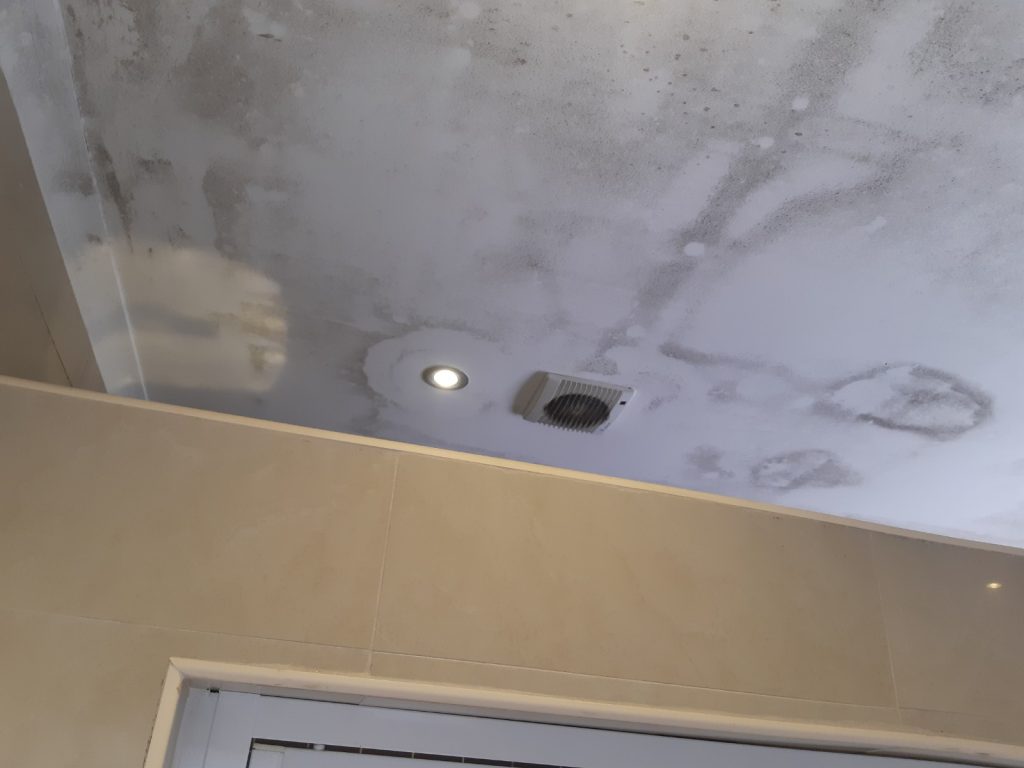
Dark marks or bubbling paint low on a wall, or a damp line near the skirting.
Musty smell
A mouldy smell in a cupboard, under a sink or behind a bath panel.
Warm floor spot
A warm patch on tiles can mean a hot water pipe is leaking under the floor.
Sound of running water
You hear a hiss or trickle at night when nobody is using water.
Loose or cracked tiles
Tiles that lift, sound hollow or crack near a shower or basin.
Dripping overflow pipe
The geyser overflow pipe on the roof or outside wall drips all the time.

Water leak detection at home: the meter test
This test tells you if water is leaking somewhere on your property. It takes about two hours and costs nothing.
- 1Close every tap
Turn off all taps, the washing machine, the dishwasher and any hose. Make sure nobody flushes a toilet. - 2Read the meter
Find your water meter, usually near the front boundary. Take a clear photo of the numbers and the small red dial. - 3Wait
Leave all water off for one to two hours. Do not use any water in that time. - 4Read it again
Take another photo. If the numbers or the red dial moved, water is leaking somewhere. - 5Close the main stopcock
Close the valve where the pipe enters the house and repeat the test. If the meter still moves, the leak is on the pipe between the meter and the house.
Where hidden leaks usually hide
Once you know there is a leak, the next job is to find it. Good water leak detection checks these places first.
| Where | What you notice | Likely cause |
|---|---|---|
| Toilet cistern | Water trickles into the bowl, cistern refills by itself | Worn flush valve or inlet valve |
| Geyser | Overflow pipe drips, damp ceiling near the geyser | Faulty pressure valve, drip tray full, tank starting to fail |
| Pipes in walls | Damp patch or bubbling paint at one spot | Loose joint or pipe rusted through |
| Pipes under the slab | Warm or damp floor, lifting tiles | Cracked pipe from ground movement or age |
| Supply pipe outside | Soggy ground or a wet patch near the front wall | Old pipe between meter and house |
| Shower and bath | Damp wall on the other side, loose tiles | Leaking mixer, waste or failed grout and sealant |
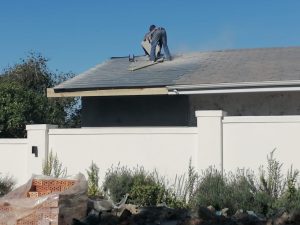
If the damp patch is high on a wall or on a ceiling after rain, it may be the roof, not a pipe. Our guide to roof leak repair explains how to tell the difference.
Our team can find it and fix it with as little breaking as possible.
Get a free quoteCall 076 272 8280How professional water leak detection works
A good plumber does not start by breaking walls. The aim is to narrow the leak down to one small area first.
- Isolate sections. Valves are closed one at a time to see which part of the system loses water.
- Pressure test. A pipe section is closed off and pressurised. If the pressure drops, that section leaks.
- Listen and look. Leaks make noise in the pipe. Plumbers also follow damp marks, warm spots and pipe routes.
- Open up only where needed. One or two tiles or a small piece of plaster is removed at the leak, not a whole wall.
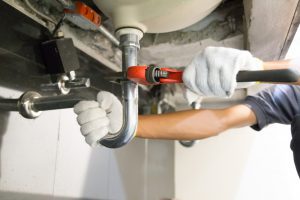
After the repair, the pipe is tested again before anything is closed up. Our plumbing services cover this whole process, from finding the leak to the final test.
What affects the cost of leak detection and repair
- How easy the pipe is to reach. A pipe under a tiled floor costs more to reach than one in a cupboard.
- The pipe type and age. Old galvanised pipes may need a section replaced, not just one joint.
- How many leaks there are. Old systems often have more than one weak point.
- Making good. Replacing tiles, plaster and paint after the repair adds to the job.
Ask for water leak detection and the making good to be in one quote, so there are no surprises. If tiles need replacing, matching them is easier if you kept spares from the original job.
What to do while you wait for a plumber
A sudden flood from the ceiling near the geyser often means the geyser itself has failed. Read our steps for a burst geyser so you know what to switch off. If the tank is worn out, ask about geyser installation while the plumber is there.
Mistakes to avoid with water leak detection
- Ignoring a small rise in the bill. Small leaks grow, and the damage is often worse than the water cost.
- Painting over a damp patch. The stain comes back and the leak keeps going behind it.
- Breaking tiles in the wrong place. Without testing first you can open the wrong wall.
- Fixing the pipe but not the damage. Wet ceiling boards and swollen skirtings should be checked and replaced if needed.
- Forgetting the City side. If the leak is before your meter, report it to the City of Cape Town instead of paying for it yourself.
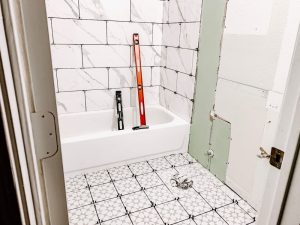
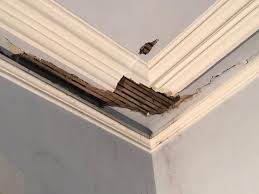
Water damage often reaches the ceiling below a leaking geyser or bathroom. Our article on ceiling repairs after water damage explains what can be saved. If a shower leak has loosened tiles, our bathroom tiling team can re-tile and seal it properly.
When to call a plumber in Cape Town
Call a plumber Cape Town home owners trust when the meter test shows a leak and you cannot see it. Call straight away if water is coming through a ceiling, the floor feels warm, or the overflow pipe runs all day. With fast water leak detection, the leak is found sooner and the repair stays small.
We work across Cape Town and the Western Cape from our base in Kraaifontein. You can get a free quote for leak detection and the repair together.
Water leak detection FAQs
Can a hidden leak really push up my water bill?
How long does water leak detection take?
Can I find a hidden leak myself?
Does home insurance pay for leak detection?
Who fixes a leak between the street and my water meter?
Tell us what you are seeing and we will come and find the leak. Mon to Fri 08:00 to 17:00, Sat 08:00 to 15:00.
Get a free quoteCall 076 272 8280